“It’s Just a Lab Test”… Until It Isn’t. What the MHRA webinar on IVDs really means for QA leaders and sponsors
 by: Paul DavidsonPublished on: 28/02/2026
When does “just a lab test” become a regulated IVD within a clinical trial? Following the recent MHRA webinar, we unpack what QA leaders and sponsors are genuinely struggling with: how routine safety labs, biomarker analyses and bespoke in-house assays fit into the current regulatory landscape. More importantly, we explore what this shift means for governance and inspection readiness. If a test result influences trial decisions, it is no longer background infrastructure. It is part of the regulated trial system. This article translates the technical guidance into practical questions you should be asking now, before an inspector does.

What We’re Reading: The Four Building Blocks of Change
by: Paul DavidsonPublished on: 30/01/2026This month we highlight a freely available article, The Four Building Blocks of Change, which explores why organisational change so often fails and what consistently helps it succeed. Drawing on research and real-world examples, the authors describe four elements that shape behaviour during change: clarity of purpose, supportive systems and processes, capability development, and visible role modelling. While not written specifically for regulated environments, the ideas will feel familiar to QA professionals navigating new audit cycles, team transitions, or shifting priorities. It offers a useful lens for understanding why change sometimes stalls, and how it can be used to strengthen quality rather than quietly undermine it.

From MasterChef to Mastery: What Top Chefs Teach Us About a Fulfilling QA Career
by: Paul DavidsonPublished on: 26/09/2025After a weekend of binge-watching MasterChef, I realised chef careers and QA careers share the same arc: start with competence and reliability, then grow into judgement, creativity and leadership. This post reframes QA as a craft you can shape, not merely a function you perform. It draws practical lessons from top kitchens: master the basics (your mise en place), seek stretch assignments, develop a recognisable “signature,” use failure well, invite critique, and balance standards with thoughtful innovation. You’ll get five concrete moves for the next 90 days - one skill to sharpen, one “stage” in another part of R&D, one signature solution to build, one safe experiment to run, and one communication habit that helps good ideas land. The through-line is simple: constraints are the canvas, not the enemy. If you feel boxed in, this is a nudge to choose growth on purpose. Different setting, same stakes: preparation, timing, judgement. That’s the kind of inspiration worth stealing from unusual places.
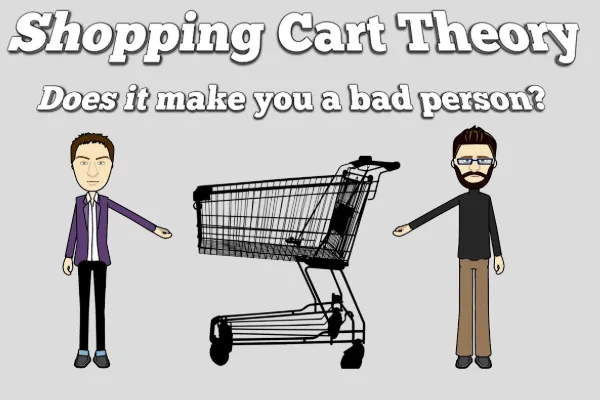
Curated: Who Leaves the Trolley? What a Viral Meme Teaches Pharma R&D About Quality, Culture, and Ethics
by: Paul DavidsonPublished on: 23/08/2025A viral video once claimed you can judge character by whether someone returns a shopping trolley. It struck me as a perfect metaphor for pharma: quality is what you do when nobody is looking. Compliance sets the legal baseline; quality is the choice to do things right, first time, because patients rely on us. Yet industry habits often resemble the “job creation” logic of the trolley video - leave errors for QC or QA to tidy up later. That mindset doesn’t create value; it shifts cost to the most expensive form of quality work: rework, delay, and failure. Culture magnifies this. Even talented hires can slide into “good enough” when local norms drift. The trolley becomes a test of everyday ethics: complete records honestly, follow protocols, report inconvenient truths. So the real question is: in your organisation, who’s returning the trolley - and what are you doing to make it the easy, obvious choice?